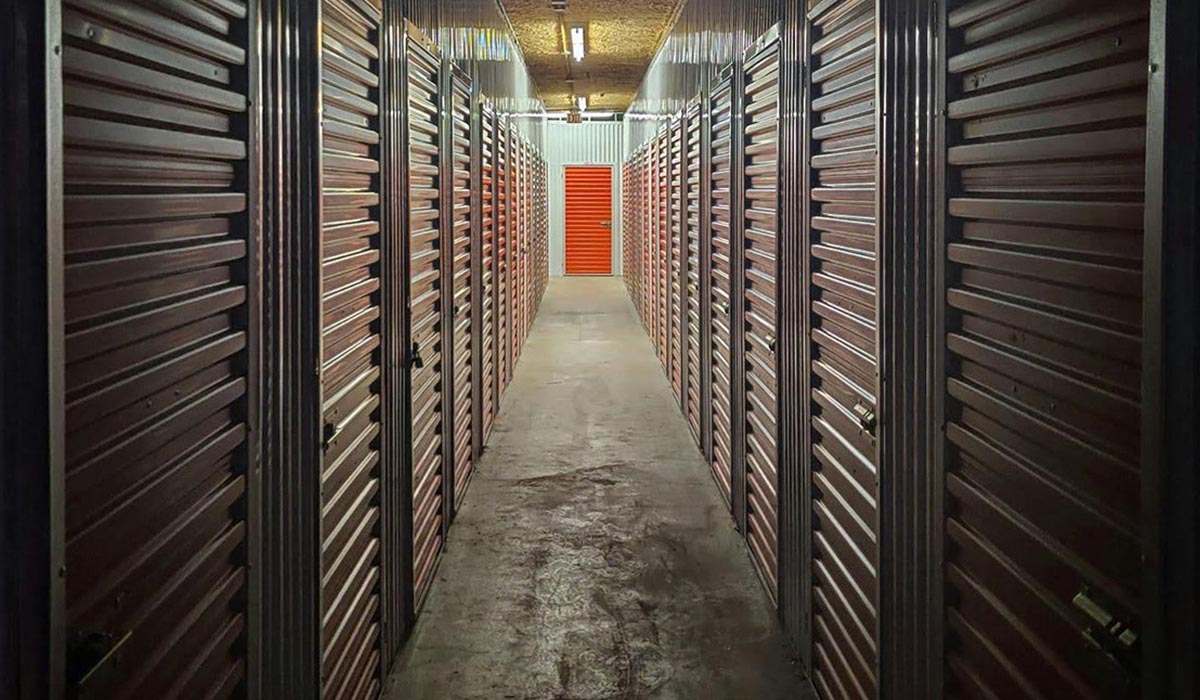
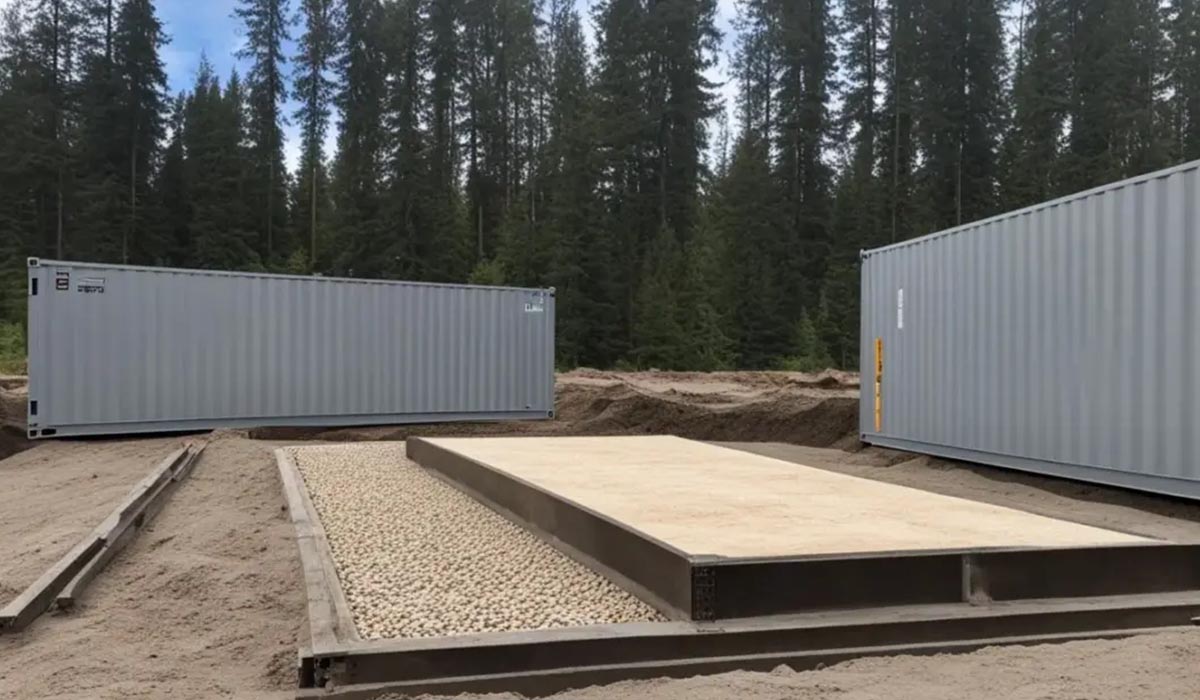
When planning a shipping container project, whether it’s for storage, an office, or even the start of a container home, one key factor to consider is the foundation.
Although containers are built from durable steel and designed to withstand extreme conditions, placing them directly on the ground isn’t ideal for long-term use.
A solid foundation keeps your container level, stable, and protected from moisture and soil movement. But which foundation works best for your needs?
Let’s explore the most common types, their costs, and what to consider before you start building.
DO SHIPPING CONTAINERS NEED A FOUNDATION?
Short answer: not always — but usually, yes.
For short-term storage on stable, dry ground, you might get away with a gravel pad or placing the container on blocks.
For long-term use, and especially for container homes or workshops — a proper foundation is strongly recommended. Foundations help:
 Keep the container level (so doors and seals function properly)
- Reduce contact with wet soil (which slows rust)
- Prevent shifting or settling over time
- Provide a reliable base for modifications
TYPES OF SHIPPING CONTAINERS FOUNDATIONS:
There isn’t a one-size-fits-all option. The best foundation depends on your soil, climate, budget, and how you’ll use the container. Here are the most common choices:
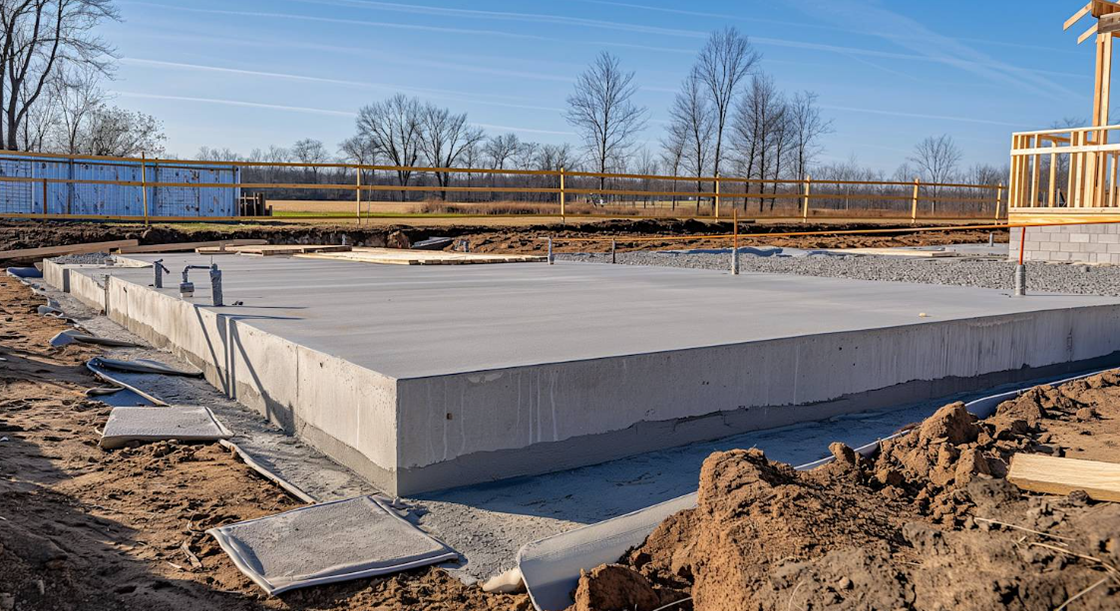
1. Concrete Slab Foundation
This is one of the most durable and permanent solutions. A thick concrete slab supports the entire base of the container, distributes weight evenly, and creates a solid, level surface.
- Best for: Container homes, workshops, or long-term projects
- Pros: Extremely stable, long-lasting, resists shifting
- Cons: Higher upfront cost, requires professional installation
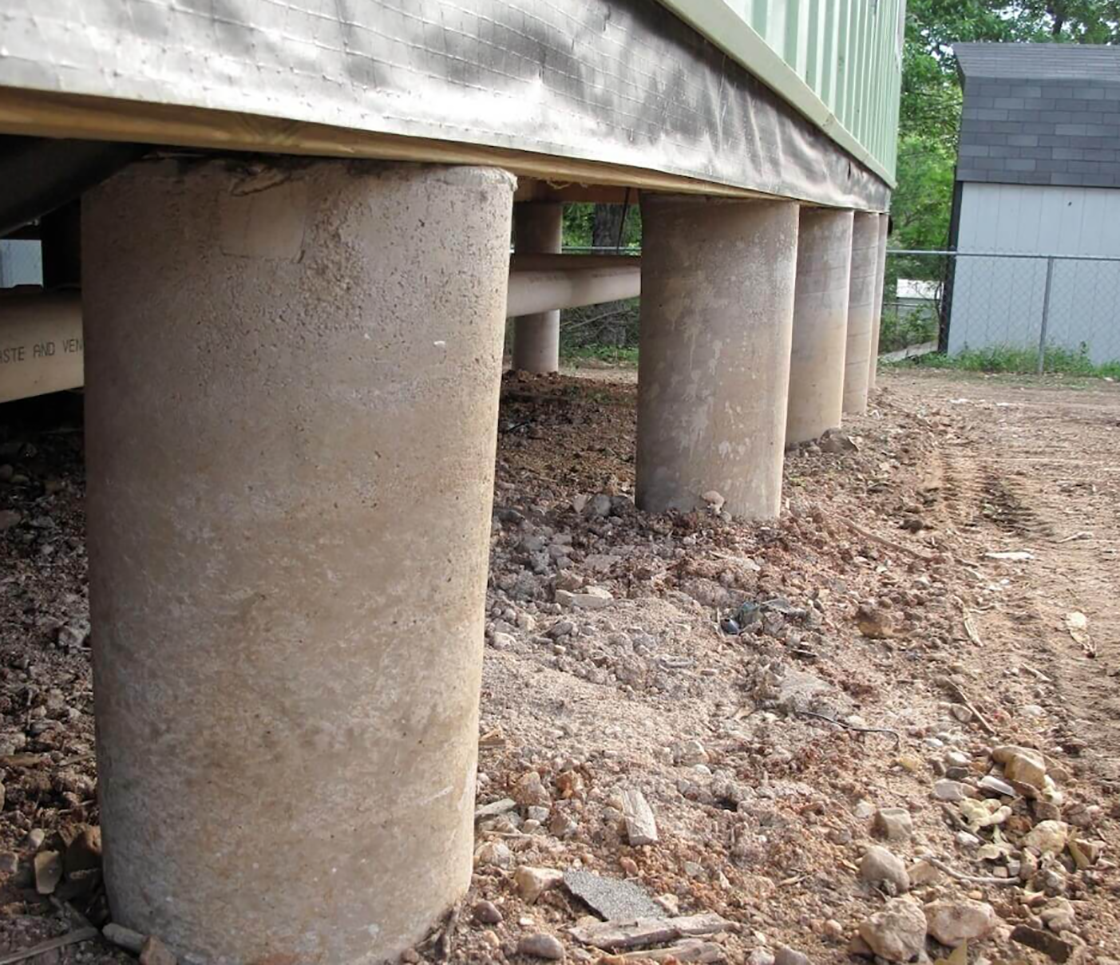
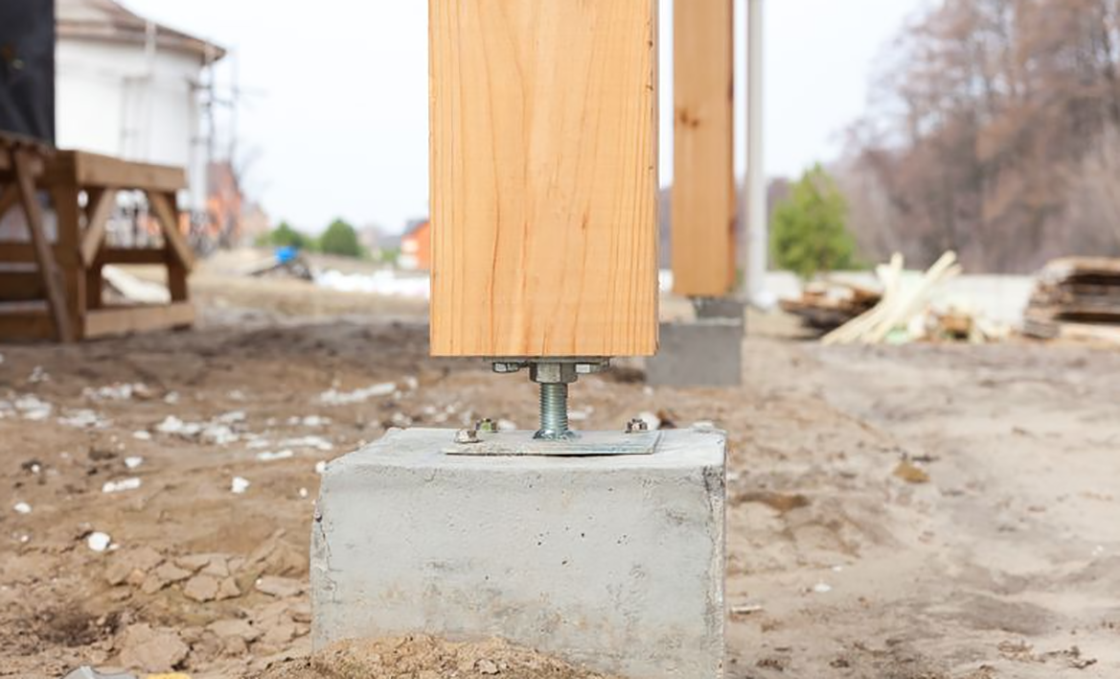
2. Pier Foundation
Pier foundations use concrete piers (or columns) set into the ground at key points where the container corners will rest.
- Best for: Moderate budgets, uneven terrain, or areas prone to flooding
- Pros: Cheaper than a full slab, allows air circulation under the container
- Cons: Less support across the middle of the container unless reinforced
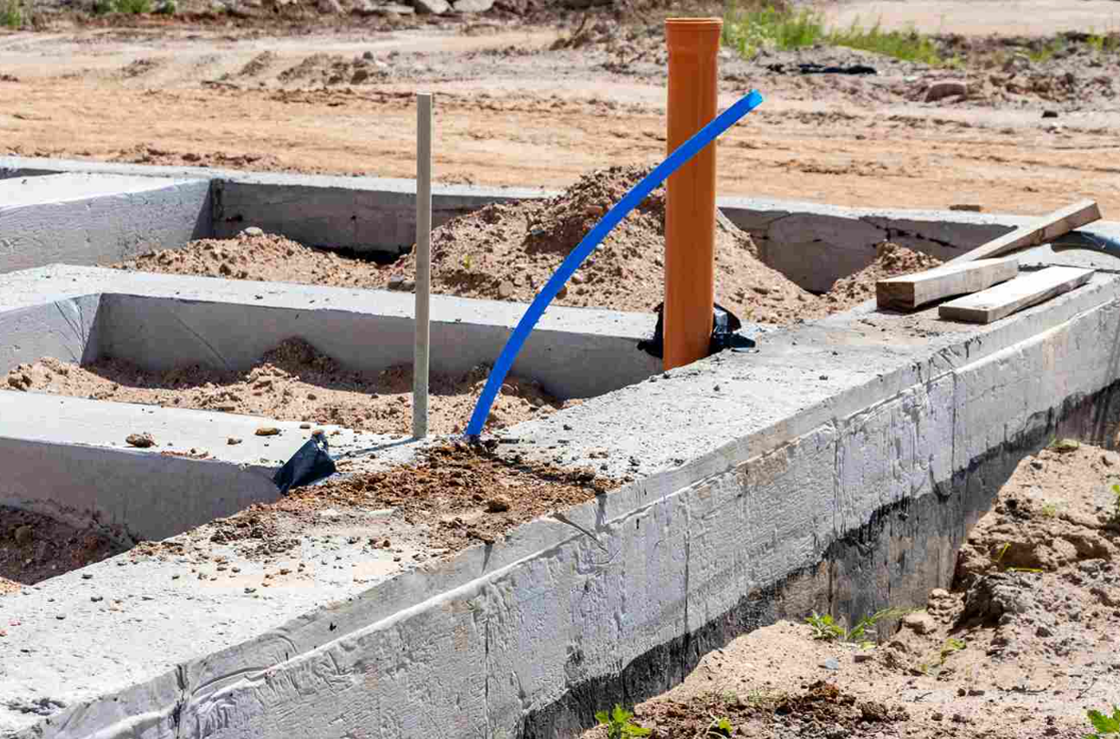
3. Strip Footings
This foundation is similar to a slab but uses long, narrow concrete strips instead of a full base. They’re usually placed under container walls.
- Best for: Multiple containers or container homes
- Pros: Stronger than piers, less concrete than a full slab
- Cons: More work than simple piers, not as affordable
4. Timber Beam Foundation
Timber beams can serve as a temporary or semi-permanent base. Pressure-treated wood is placed directly under the container to provide support.
- Best for: Short-term projects or tight budgets
- Pros: Affordable, easy to install, portable
- Cons: Not as durable, wood may rot over time
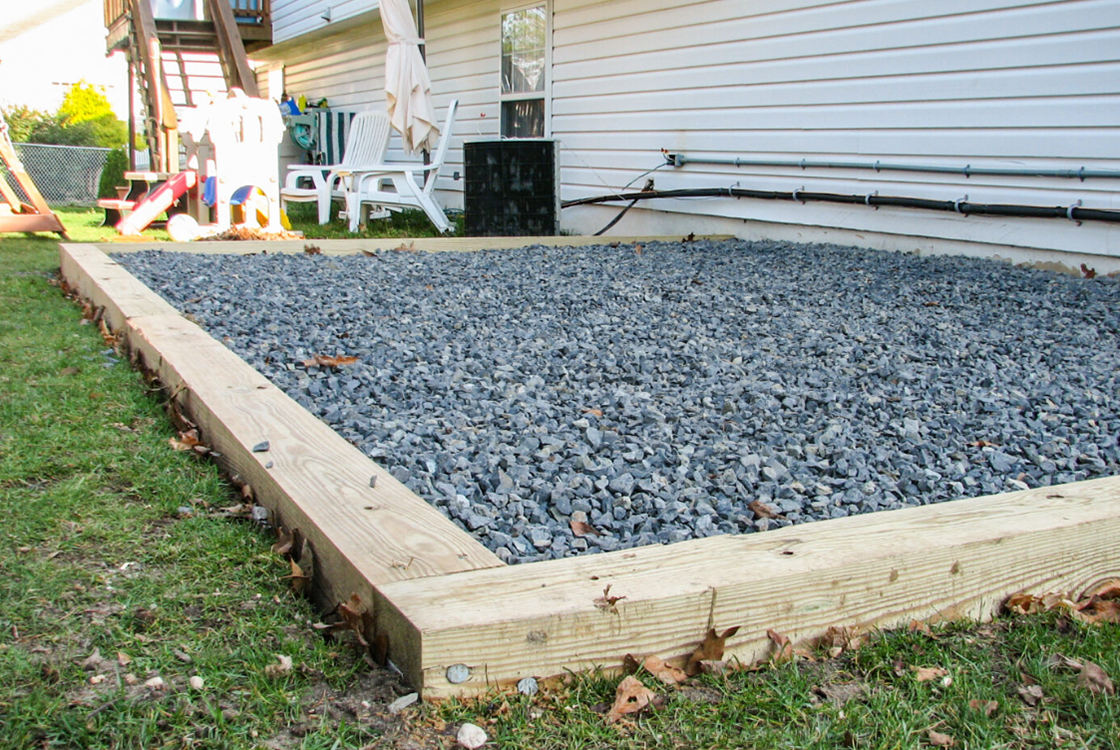
5. Gravel Pad
A gravel bed can act as a simple foundation, particularly for containers used for storage. By creating a well-drained surface, it keeps moisture away from the steel base.
- Best for: Storage containers, temporary setups
- Pros: Cheap, quick to prepare, improves drainage
- Cons: Not as stable or permanent as concrete options
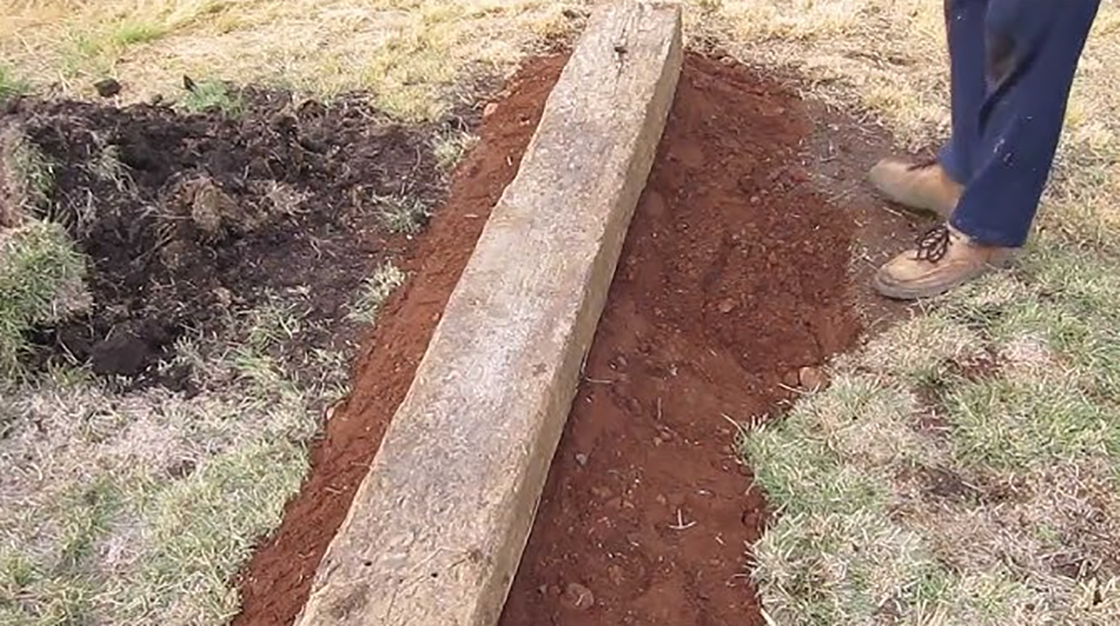
6. Railroad Tie Foundation
Railroad ties are heavy-duty wooden beams that can be laid under a container to keep it raised and stable. They’re especially popular for quick and inexpensive setups.
- Pros: Affordable, easy to install, allows airflow underneath.
- Cons: Less durable than concrete, may shift or deteriorate over time.
- Best For: Temporary or budget-friendly foundations, or when the container may need to be relocated.
Real-Life Use Cases
To help visualize which foundation might fit your needs, here are two quick examples:
Case A — Small contractor storage:
A landscaping company bought a 20ft container for tools and seasonal inventory. They prepared a compacted gravel pad with a couple of timber beams for added leveling. Quick, cheap, and functional for a few seasons.
Case B — Container home build:
A family building a 40ft high-cube container home chose a reinforced concrete slab. Higher upfront cost, but provided perfect level support, moisture protection, and a stable base for connecting utilities.
HOW TO PREPARE YOUR SITE FOR A SHIPPING CONTAINER FOUNDATION
- Clear the Land – Remove vegetation, rocks, and debris.
- Level the Ground – Use equipment to make the site as flat as possible.
- Ensure Drainage – Slightly slope the ground or use gravel to prevent water pooling.
- Mark Out Dimensions – Outline where the container will sit.
- Install the Foundation – Whether it’s gravel, piers, or a slab, follow the plan.
- Check for Levelness – Before placing your container, ensure the foundation is perfectly level.
MAINTAINING YOUR FOUNDATION
Even after installation, your foundation will need some attention over time:
Inspect regularly – Look for cracks in concrete or rotting in timber.Keep drainage clear – Remove debris that could block water flow.Re-level if needed – Gravel and piers may shift slightly over years.Protect from pests – Timber foundations in particular should be treated and monitored.Concrete: Inspect for cracks and repair promptly. Ensure drainage is not undermining the slab.Piers/strips: Check for settling; relevel and add fill if needed.Gravel & timber: Recompact gravel periodically; inspect timber for rot and replace treated beams as needed.Railroad ties: Monitor for shifting and decay; replace ties that show significant deterioration.
Regular checks after heavy rain, freeze/thaw cycles, or seismic activity will keep small issues from becoming costly repairs.
FAQ ABOUT SHIPPING CONTAINER FOUNDATIONS
Yes, but it’s not recommended for long-term use. Moisture can cause rust, and uneven ground can warp the frame.
The most budget-friendly foundations are gravel pads and railroad ties. Both can cost just a few hundred dollars depending on your site. Gravel provides good drainage and leveling, while railroad ties lift the container off the ground at low cost. These are ideal for short- to medium-term setups, but not as durable as concrete foundations.
Concrete slab or a properly designed pier system are the most reliable for long-term homes.
Not necessarily as long as the surface is even—short-term storage might not. But for anything long-term, a foundation adds protection and stability.
They’re commonly used, but you should confirm with local building authorities if permits or specific foundation requirements apply for your intended use.
Installation (labor, site prep, equipment) can be a large portion of total cost, often 30–60% depending on foundation type and local labor rates.